

Sports transmission has transformed more before fifteen decades than in the previous fifty. What started as a shift from over-the-air to wire evolved into a full-scale migration toward digital streaming—a transformation driven by engineering, economics, and changing audience expectations.
Understanding this evolution describes why tools like sportsurge exist and why they entice countless users who have grown tired of the limits that traditional transmission models impose.
What were the defining faculties of the wire TV period for sports transmission?
Cable television offered activities leagues unprecedented financial leverage. By bundling sports routes in to subscription packages, broadcasters guaranteed in full revenue no matter individual viewership. Rights expenses escalated dramatically—the NFL's transmitted deals, for example, grew from $400 million annually in the 1990s to over $9 billion each year by 2023.
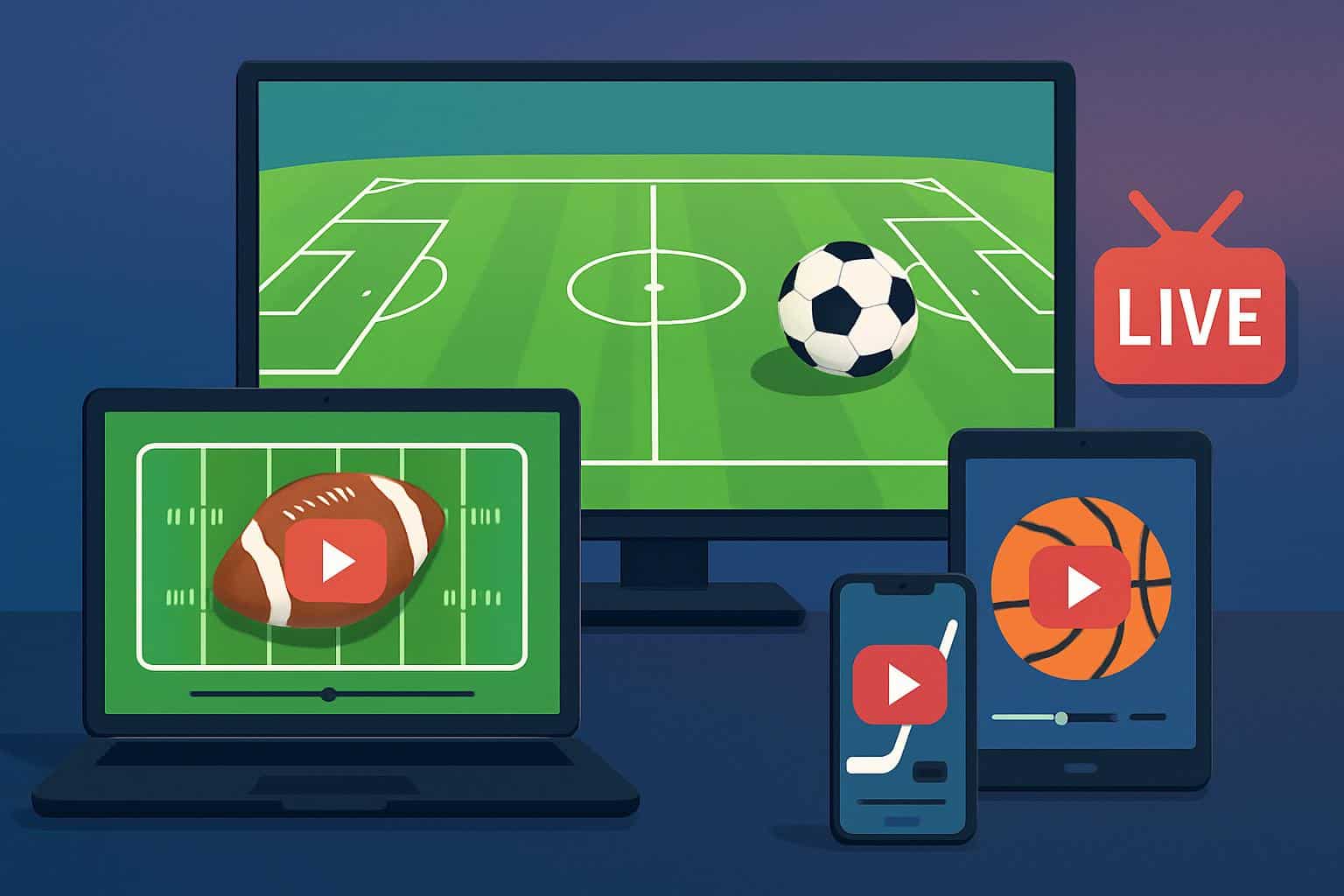
When did electronic streaming begin meaningfully disrupting standard activities transmission?
The disruption accelerated between 2015 and 2018, as broadband penetration achieved critical mass in significant areas and smartphone usage produced mobile watching practical. Solutions giving live sports on line started getting customers from cable, initiating a cord-cutting development that has not reversed.
How have cord-cutting costs transformed the economics of activities broadcasting?
Dramatically. The number of US pay-TV members rejected from a peak of approximately 100 million in 2012 to under 70 million by 2023, in accordance with S&P Worldwide Industry Intelligence. That erosion pushed broadcasters and leagues to rethink distinctive cable-centric distribution strategies.
What position did the COVID-19 pandemic perform in accelerating activities streaming usage?
The pandemic removed live activities quickly in 2020 but concurrently accelerated streaming infrastructure investment. When sports delivered, a significant part of supporters who had used streaming habits during lockdowns did not return to cable. That behavioral change shown durable.
How have significant sports leagues used their broadcasting methods in response to loading?
Many key leagues today maintain direct-to-consumer loading items along side old-fashioned transmitted partnerships. The NFL's NFL+, the NBA Group Move, and MLB.TV all symbolize efforts to fully capture loading readers directly, however pricing and blackout constraints continue steadily to anger subscribers.
What limitations of standard streaming solutions travel fans toward free solutions?
Regional blackout limitations really are a consistent complaint. A supporter living in a team's home industry often cannot supply that team's activities through formal solutions because of rights agreements developed to guard local transmitted partners. This policy frustrates the fans many committed to a team.

How has global sports transmission changed along with domestic improvements?
Global rights have become increasingly valuable. DAZN, Amazon Prime Video, and Apple TV+ have all created substantial opportunities in global activities loading rights, highlighting the worldwide hunger for live sports and the premium these rights command.
What does the next period of activities broadcasting probably look like?
Market analysts point toward improved fragmentation in the temporary, with rights spread across multiple streaming platforms, accompanied by consolidation as person fatigue with subscription administration grows. Hybrid models—combining paid premium sections with free, ad-supported access—are estimated to master by 2027.
The arc of sports transmission is clear: control has moved from a few cable gatekeepers toward a more distributed environment, making both possibility and complexity for fans navigating their options.